What Veggies Can Dogs Eat? Here’s What’s Safe for Your Pup

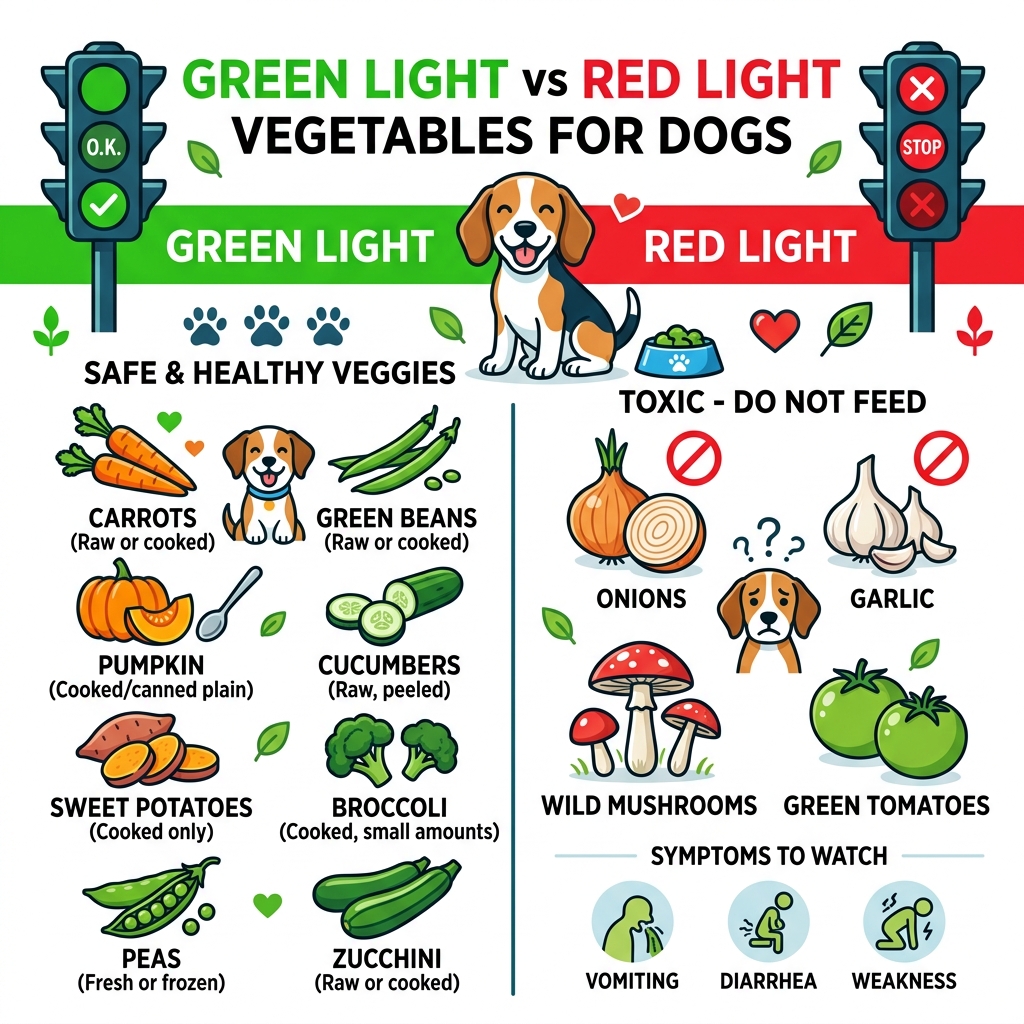
What veggies can dogs eat safely? The short answer: quite a few! Here are the most common dog-safe vegetables:
| Vegetable | Safe to Eat? | Best Served |
|---|---|---|
| Carrots | Yes | Raw or cooked |
| Green beans | Yes | Raw or cooked |
| Pumpkin | Yes | Cooked or canned (plain) |
| Cucumbers | Yes | Raw, peeled |
| Sweet potatoes | Yes | Cooked only |
| Broccoli | Yes (in small amounts) | Cooked |
| Peas | Yes | Fresh or frozen |
| Zucchini | Yes | Raw or cooked |
| Spinach | Yes (in moderation) | Cooked |
| Brussels sprouts | Yes (in moderation) | Cooked |
| Onions | No | Never |
| Garlic | No | Never |
| Wild mushrooms | No | Never |
| Green tomatoes | No | Never |
Dogs are omnivores — just like us, they can digest both meat and plants. That means the right vegetables can be a genuine nutritional boost, not just a quirky snack. Fresh veggies offer vitamins, fiber, and antioxidants that support your dog’s immune system, digestion, and weight.
And if you have a bouncy Beagle puppy at home? Low-calorie veggie treats are a smart way to reward good behavior without packing on extra pounds. A baby carrot contains just ten calories — hard to beat as a training treat.
That said, not every vegetable is a green light. Some are outright toxic to dogs. Knowing the difference is what this article is all about.
The Health Benefits of Adding Vegetables to Your Dog’s Diet
We often think of dogs as strictly meat-eaters, but their evolutionary history tells a different story. As omnivores, dogs have developed the ability to break down carbohydrates and fibers found in plant matter. Adding a “salad” to Sparky’s bowl isn’t just about making the plate look pretty; it’s about providing essential nutrients that might be less concentrated in standard kibble.
Vegetables are packed with Vitamin A (essential for vision and skin health), Vitamin C (a powerful antioxidant), and Vitamin K (crucial for blood clotting). Beyond vitamins, the dietary fiber found in vegetables acts as a natural regulator for the digestive tract. If you’ve ever dealt with a dog prone to “scooting” or irregular bathroom habits, you know how important fiber can be.
For many pet parents, the biggest draw is weight management. Obesity is a growing concern in the canine world, often leading to joint pain and decreased lifespan. Vegetables allow us to provide “volume” to a meal without adding excessive calories. This is often called the “Green Bean Diet” by veterinarians—replacing a small portion of kibble with low-calorie green beans to help a dog feel full while shedding pounds.
According to experts at WebMD, while commercial dog foods are formulated to be balanced, they can sometimes lack the phytonutrients found in fresh produce. You can learn more about this in their guide: Should Dogs Eat Vegetables?. For those who enjoy a bit of kitchen DIY, we have also explored creating-healthy-homemade-meals-for-adult-dogs to help you integrate these fresh ingredients seamlessly.
Boosting Immune and Digestive Health
The magic of vegetables often lies in their “hidden” compounds. Take beta-carotene, for instance. Found in high concentrations in carrots and pumpkins, beta-carotene is a precursor to Vitamin A. It supports the immune system and helps maintain healthy skin and coat.
From a digestive standpoint, vegetables are a “gut-friendly” addition. The soluble and insoluble fibers help with gut motility, ensuring that waste moves through the system at a healthy pace. This is particularly important for larger dogs who may have different metabolic needs. We’ve detailed these specific requirements in our comprehensive-dog-nutrition-guide-for-large-breeds.
Fiber also plays a surprising role in anal gland function. When a dog consumes enough fiber, their stools become bulkier and firmer. This natural bulk puts pressure on the anal glands during defecation, helping them express naturally and preventing the uncomfortable (and smelly) impactions that often require a trip to the vet.
What Veggies Can Dogs Eat? A Complete Safe List
When you’re standing in the produce aisle wondering what veggies can dogs eat, it helps to have a quick reference for the nutritional heavy hitters. Not all vegetables are created equal—some are mostly water, while others are dense with minerals.
| Vegetable | Calories (per oz) | Water Content | Key Benefit |
|---|---|---|---|
| Cucumber | 4 | 96% | Hydration |
| Lettuce | 4 | 90% | Low-calorie crunch |
| Carrots | 10 | 88% | Dental health/Beta-carotene |
| Green Beans | 9 | 90% | Fiber/Weight loss |
| Peas | 20 | 79% | Protein/Vitamins |
| Pumpkin | 7 | 90% | Digestive regulation |
| Zucchini | 5 | 94% | Skin and coat health |
Carrots are arguably the most popular veggie treat. They are naturally sweet, which appeals to most dogs, and their crunchy texture makes them fun to eat. They are excellent for vision and immune support.
Green beans are the go-to recommendation for weight management. Whether served raw, steamed, or canned (salt-free), they provide iron and vitamins without the caloric density of traditional biscuits.
Pumpkin is often called the “garden hero” by veterinarians. It is unique because it can help with both diarrhea and constipation. The high fiber content absorbs excess water in the gut to firm up loose stools, but also provides the moisture and bulk needed to get things moving if your dog is backed up. Just ensure you are using 100% pure pumpkin puree, not the spiced pie filling!
For a deeper dive into the nutritional profiles of these snacks, What Vegetables Can Dogs Eat? | PetMD offers a fantastic breakdown of the science behind these safe choices.
What veggies can dogs eat for hydration?
On a hot summer afternoon, keeping your dog hydrated is priority number one. While a bowl of fresh water is essential, “eating” their water through hydrating vegetables can be a refreshing change of pace.
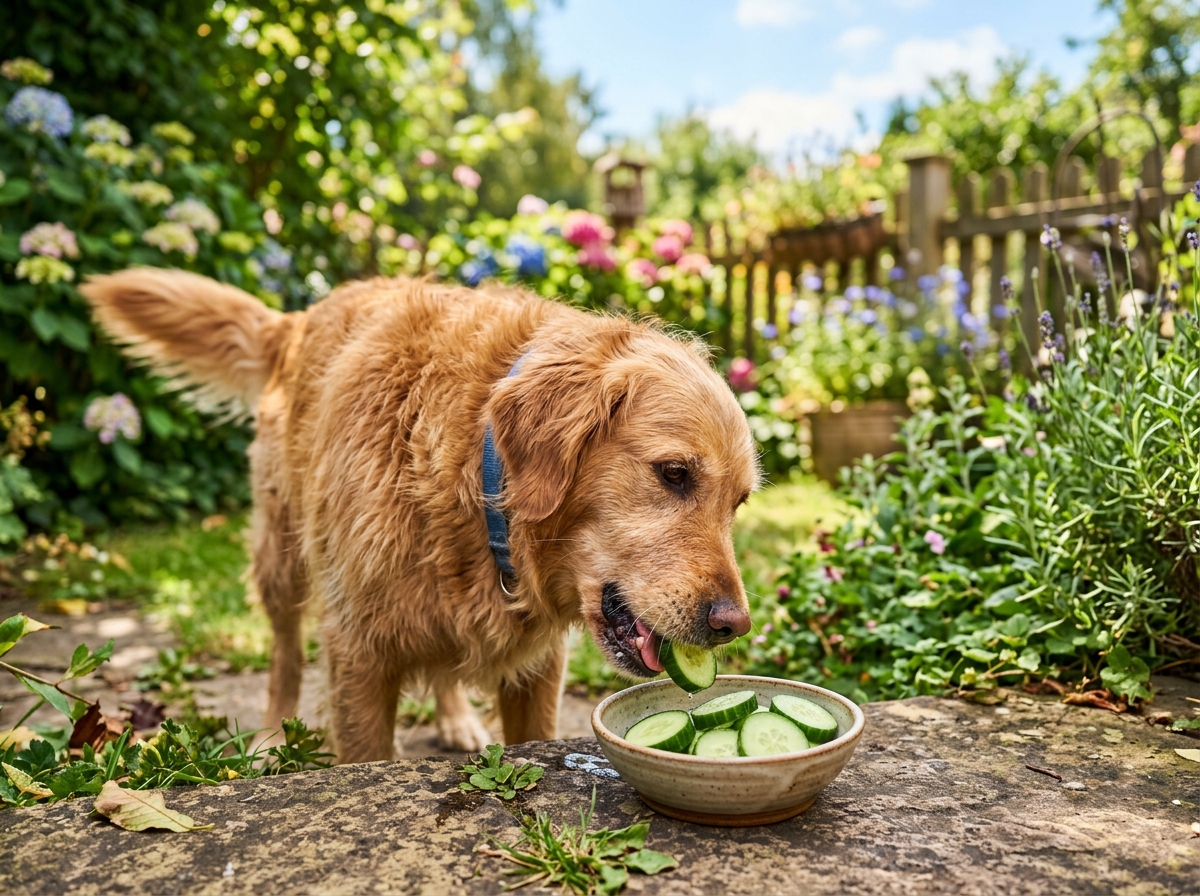
Cucumbers are the champions of hydration, boasting a staggering 96% water content. They have very little fat or oils, making them an ideal snack for dogs prone to pancreatitis or those on a strict weight-loss regimen. We recommend peeling them if your dog has a sensitive stomach, as the waxy skin can sometimes be a bit tough to digest.
Zucchini is another great option, consisting of about 94% water. It’s also packed with Vitamin C, magnesium, and potassium. You can even shred zucchini and freeze it in ice cube trays for a “veggie popsicle” on a warm day.
Lettuce (specifically Romaine or Iceberg) is roughly 90% water. While it doesn’t offer a ton of vitamins compared to kale or spinach, it’s a safe way to give your dog a crunchy treat that is basically “solid water.”
What veggies can dogs eat for dental health?
If you’ve ever caught a whiff of “dog breath,” you know that canine dental hygiene is no joke. While nothing replaces regular brushing and professional cleanings, certain vegetables can act as nature’s toothbrush.
Raw carrots are essentially natural dental sticks. The mechanical action of chewing on a firm, raw carrot helps scrape away plaque and tartar from the surface of the teeth. Plus, they don’t contain the artificial dyes or preservatives found in many commercial dental chews.
Celery is another dental superstar. It’s high in fiber and requires a lot of chewing, which stimulates saliva production—the mouth’s natural way of rinsing away food particles. Some owners even claim that celery helps freshen “doggy breath.” Just be sure to “de-string” the celery or cut it into small chunks, as the long, fibrous strings can occasionally be a choking hazard or cause digestive tangles.
Maintaining dental health early on is vital, especially for breeds prone to dental issues. We discuss this further in our guide on beagle-belly-basics-best-beagle-puppy-food-for-growing-hounds.
Dangerous and Toxic Vegetables to Avoid
While we want to be generous with our snacks, the “human food is safe food” logic can be dangerous. Some vegetables contain compounds that are perfectly fine for us but can be life-threatening for dogs.
The Allium family is the biggest offender. This includes:
- Onions
- Garlic
- Chives
- Leeks
- Shallots
These vegetables contain N-propyl disulfide, a compound that damages a dog’s red blood cells. This damage can lead to a condition called hemolytic anemia, where the body destroys its own red blood cells faster than it can produce them. Symptoms include pale gums, rapid heart rate, weakness, and lethargy. Even small amounts over time (like garlic powder in your cooking) can be cumulative and harmful.
If you’re worried about what else might be lurking in your pantry, check out our list of toxic-foods-to-avoid-for-your-dogs-safety.
Nightshades and Wild Hazards
The “Nightshade” family of plants presents a more nuanced risk. Tomatoes are a prime example. While a ripe, red tomato is generally safe in small amounts, the green parts of the plant—including the stem, leaves, and unripe green tomatoes—contain solanine. Solanine is toxic to dogs and can cause gastrointestinal distress, lethargy, and confusion.
Potatoes are also nightshades. You should never feed your dog raw potatoes or potato skins, as they also contain solanine. However, once a potato is thoroughly cooked (boiled or baked) and the green parts are removed, the solanine levels drop to safe amounts.
Wild mushrooms are another major “red light.” While plain, washed white mushrooms from the grocery store are safe, wild mushrooms in your backyard can be deadly. Identification is incredibly difficult, even for experts. Out of 50,000 species, only about 100 are toxic, but those 100 can cause liver failure or death within hours. If your dog forages in the yard, it’s best to clear out any wild fungi immediately.
Rhubarb contains calcium oxalates, which can cause kidney failure in dogs if consumed in large quantities. The American Kennel Club provides an excellent resource for distinguishing these risks: Fruits and Vegetables Dogs Can or Can’t Eat – American Kennel Club.
How to Safely Prepare Veggie Snacks for Your Dog
Preparation is just as important as the vegetable itself. A raw sweet potato, for example, is a choking hazard and hard to digest, but a steamed one is a nutritional goldmine.
- Washing: Always wash produce thoroughly to remove pesticides, dirt, and bacteria like E. coli or Salmonella.
- Peeling: For veggies like cucumbers or carrots, peeling can make them easier on the stomach, though the skin often holds many nutrients.
- Cooking: Steaming or boiling is generally better than roasting with oils. Cruciferous veggies like broccoli and Brussels sprouts are much easier to digest when lightly cooked.
- Pureeing: For picky eaters or senior dogs with missing teeth, pureeing vegetables and mixing them into their kibble is a great “stealth health” tactic.
The 10% Rule: This is the golden rule of pet nutrition. Treats—including healthy vegetables—should never make up more than 10% of your dog’s daily caloric intake. The other 90% must come from a balanced, high-quality dog food to ensure they get the right ratio of proteins, fats, and minerals. If your dog has a particularly sensitive stomach, you might want to look into choosing-grain-free-dog-food-for-sensitive-stomachs as a base for their diet.
Serving Sizes and Introduction Tips
When introducing a new vegetable, start small. Even the healthiest veggie can cause a “tummy upset” if your dog’s system isn’t used to it.
- Bite-sized pieces: Always cut vegetables into pieces appropriate for your dog’s size. A whole baby carrot might be fine for a Lab, but it’s a choking hazard for a Yorkie.
- Monitor Digestion: After the first time you feed a new veggie, keep an eye on their stool. If you notice diarrhea or excessive gas, that specific vegetable might not be right for them.
- One at a time: Don’t give your dog a “medley” of five new vegetables at once. Introduce them one by one so you can identify the culprit if an allergy or sensitivity arises.
For smaller breeds, portion control is even more critical because their “10% treat allowance” is much smaller. Check out our feeding-guide-for-small-dog-breeds for more specific advice.
Frequently Asked Questions about Dog-Safe Vegetables
Can dogs eat canned or frozen vegetables?
Yes, but with caveats! Frozen vegetables are often just as nutritious as fresh ones. Frozen peas or green beans make excellent, crunchy training treats directly from the freezer.
Canned vegetables are a bit trickier. The primary concern is sodium. Many canned goods are packed in salt water to preserve them. Excessive salt can lead to dehydration and, in extreme cases, salt poisoning. If you use canned veggies, always choose “No Salt Added” versions and rinse them thoroughly under cold water before serving. Avoid any canned vegetables that contain onions, garlic, or spices.
For puppies, choosing the right consistency and salt level is vital for their development. We explore this in our guide on the best-diet-for-beagle-puppies-growth.
Which vegetables cause gas or digestive upset in dogs?
If your dog starts clearing the room after a snack, you might have fed them a cruciferous vegetable. This family includes:
- Broccoli
- Cabbage
- Brussels sprouts
- Cauliflower
These vegetables contain isothiocyanates, which can cause gastric irritation in some dogs. They also contain complex sugars that ferment in the gut, leading to flatulence. While they are safe and offer cancer-fighting antioxidants, they should be fed in moderation and are best served steamed to help break down those tough fibers.
Are vegetables safe for puppies and senior dogs?
Absolutely! In fact, they can be very beneficial. For puppies, vegetables provide vitamins that support rapid growth. However, because puppies have sensitive developing systems, you should stick to very soft-cooked options like mashed sweet potato or pumpkin. We have a detailed look at this in our article on the best-diet-for-beagle-puppys-rapid-growth.
For senior dogs, vegetables are a godsend. As dogs age, their metabolism slows down, making weight gain easier. Low-calorie veggies help them feel full without the extra calories. Furthermore, pureed or soft-cooked vegetables are easy to eat for seniors who may have dental pain or missing teeth. The antioxidants in colorful veggies like bell peppers and spinach can also help support cognitive function and joint health in aging pups.
Conclusion
At FinanceFlowX, we believe that a well-informed pet owner is a dog’s best friend. Understanding what veggies can dogs eat allows you to diversify your dog’s diet, provide mental stimulation through new textures, and manage their weight effectively—all while sharing a healthy snack from your own kitchen.
While vegetables are a fantastic supplement, they are not a replacement for a balanced diet. Every dog is an individual; what works for a neighbor’s Golden Retriever might not sit well with your Frenchie. Always introduce new foods slowly and keep a watchful eye on your pup’s reaction.
If you ever have doubts about a specific vegetable or if your dog has a pre-existing health condition like kidney disease or diabetes, a quick call to your veterinarian is always the best course of action. They can provide personalized advice tailored to your dog’s specific needs.
For more breed-specific advice and nutritional tips, don’t miss our Complete Guide to Caring for Beagles. Happy snacking, Sparky!
