
Ditch the Dairy: A Guide to Hypoallergenic Dog Food Options
Why Your Dog’s Food Might Be Making Them Miserable
Dairy free hypoallergenic dog food is specially formulated dog food that removes dairy and other common protein allergens — helping dogs with food sensitivities stop itching, scratching, and suffering through upset stomachs.
Quick answer — best dairy-free hypoallergenic dog food options include:
- Plant-based formulas — use pea protein, lentils, or brown rice instead of animal proteins
- Insect protein foods — cricket or grub-based recipes that are novel and highly digestible
- Hydrolyzed protein diets — proteins broken into tiny pieces the immune system won’t react to
- Limited ingredient diets (LID) — single novel protein sources like venison, salmon, or rabbit
- Veterinary prescription diets — for dogs with confirmed food allergies needing clinical-grade formulas
Does your dog constantly scratch their ears? Lick their paws raw? Have loose stools that never seem to firm up?
It might not be fleas or the season. It could be what’s in their bowl.
Dairy is one of the most common food allergens for dogs. It shows up in more commercial pet foods than most owners realize. And for sensitive dogs — including many Beagles — repeated exposure to dairy proteins like casein and whey can trigger an immune overreaction that shows up as itchy skin, digestive upset, or chronic ear infections.
The good news? Switching to a dairy free hypoallergenic dog food can make a real difference. One dog owner described the change like this: their dog went from gnawing on his own arms from itchy, red skin to being “full of energy and no more itchies” after switching to an allergen-free diet.
This guide breaks down the best dairy-free hypoallergenic options available right now — so you can find the right fit for your dog without the guesswork.

Understanding Dairy Free Hypoallergenic Dog Food
When we talk about “hypoallergenic” dog food, we are referring to recipes specifically designed to minimize the risk of an allergic response. In the context of a dairy free hypoallergenic dog food, the goal is to eliminate milk-based proteins—and often other common triggers like beef or chicken—replacing them with “novel” or “hydrolyzed” alternatives.
But why is dairy such a big deal? While many of us think of milk as a treat, most adult dogs actually lack the enzyme (lactase) needed to break down lactose. This leads to lactose intolerance, which causes gas and diarrhea. However, a true dairy allergy is an immune system overreaction to the proteins found in milk, such as casein and whey.
To combat this, manufacturers use several strategies:
- Novel Proteins: Using meats the dog hasn’t eaten before (like venison or kangaroo).
- Hydrolyzed Proteins: These are proteins that have been chemically “shattered” into tiny peptides. These pieces are so small that the dog’s immune system doesn’t recognize them as allergens, preventing a reaction while still providing essential amino acids.
- Plant-Based Proteins: Using high-quality legumes or grains to provide protein without the animal-based triggers.
For owners of specific breeds prone to sensitivities, checking out Highly Recommended Dog Foods for Hypoallergenic Breeds can provide a great starting point for tailored nutrition.
Identifying Symptoms of Dairy Allergies
It can be heartbreaking to watch our dogs suffer when we don’t know the cause. Food allergies, particularly to dairy, often manifest in ways that look like environmental issues. Keep a close eye out for these “red flags”:
- The “Itch-Scratch” Cycle: Persistent scratching, especially around the face, ears, and belly.
- Chronic Ear Infections: If your dog is constantly at the vet for “yeasty” ears, the root cause might be their diet.
- Paw Licking and Chewing: Dogs often “obsess” over their paws when their skin is inflamed from an internal allergen.
- Gastrointestinal Upset: Chronic gas, bloating, or soft stools are classic signs of a dairy sensitivity.
If your pup is currently struggling with red, inflamed skin, you might find relief using Natural Remedies to Relieve Dog Skin Allergies alongside a diet change.
Why Dairy is a Common Allergen
You might wonder why a “natural” product like dairy causes so much trouble. The answer lies in frequency and biology. Dairy is one of the top three food allergens for dogs (alongside beef and chicken) because it has been used so frequently in commercial kibble and treats over the decades.
The canine immune system can become “sensitized” to these proteins over time. When a sensitive dog eats dairy, their immune system misidentifies the milk protein as a harmful invader and releases histamines to “fight” it. This results in the inflammation we see as hives or itchy skin. It’s also worth noting that many “human” foods we share are on the list of Toxic Foods to Avoid for Your Dog’s Safety, and while dairy isn’t always toxic in small amounts, for an allergic dog, it can be just as damaging to their quality of life.
Top Alternatives in Dairy Free Hypoallergenic Dog Food
Finding the right dairy free hypoallergenic dog food involves looking for “Limited Ingredient Diets” (LID). These formulas simplify the recipe to the bare essentials, making it much easier to identify what is—and isn’t—going into your dog’s system.
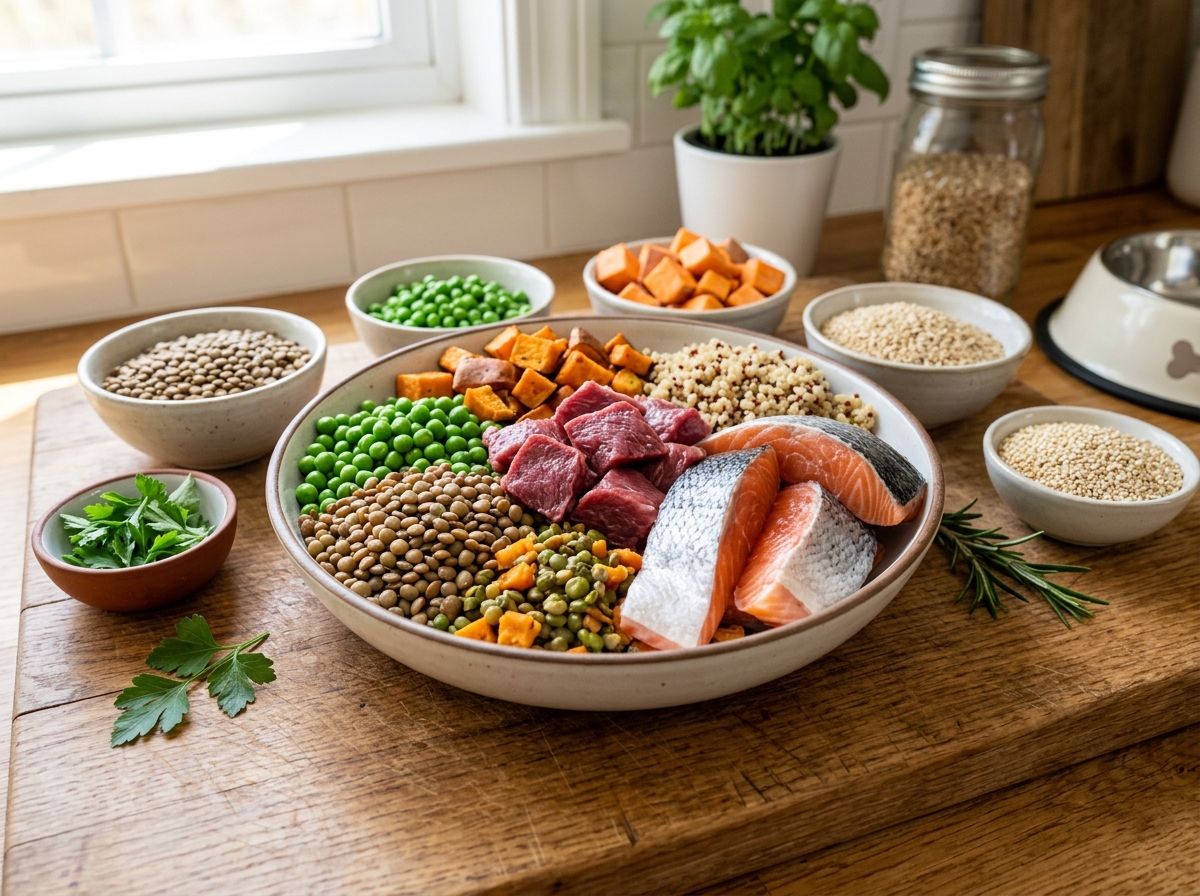
When we are looking for dairy-free alternatives, we generally look at three categories:
- Novel Animal Proteins: Lamb, fish, or duck are often used, but for “ultra-sensitive” dogs, even more exotic options like venison or rabbit are preferred.
- Plant-Based Nutrition: Completely removing animal proteins can be a “reset” button for a dog’s immune system.
- Insect Protein: A revolutionary, sustainable, and highly hypoallergenic option that is gaining massive popularity.
If your dog has a particularly “touchy” tummy, you might also consider Choosing Grain-Free Dog Food for Sensitive Stomachs to further reduce potential irritants.
Plant-Based and Vegan Options for Sensitive Dogs
It might sound surprising, but dogs are actually omnivores, not obligate carnivores like cats. This means they can thrive on a carefully balanced plant-based diet. Brands like Wild Earth and Omni have pioneered recipes using pea protein, lentils, brown rice, and sweet potatoes.
These formulas are naturally dairy free hypoallergenic dog food because they contain zero animal by-products. They are often “gently cooked” to preserve nutrients and use high-quality plant proteins that are easy on the digestive tract. Most importantly, these foods are formulated to meet AAFCO (Association of American Feed Control Officials) standards for “Adult Maintenance,” ensuring your dog gets all the essential amino acids they need without the itch.
Insect Protein and Hydrolyzed Soy Formulas
If you want to stay ahead of the curve, insect protein is the “new frontier” of hypoallergenic feeding. Insects like crickets and grubs are incredibly nutrient-dense and, because most dogs have never been exposed to them, they are considered “novel.” They are also highly digestible and sustainable, requiring a fraction of the water and land used for traditional livestock.
For those requiring a medical-grade solution, hydrolyzed soy formulas—like those offered by Royal Canin or Purina Pro Plan Veterinary Diets—are the gold standard. These use soy protein that has been broken down to a low molecular weight, making it virtually “invisible” to the immune system.
Key Benefits of a Dairy Free Hypoallergenic Dog Food Diet
Switching to a dairy free hypoallergenic dog food isn’t just about stopping the itch; it’s about a total health transformation. When we remove the constant “fire” of inflammation caused by allergens, the entire body can begin to heal.
| Feature | Standard Commercial Kibble | Dairy-Free Hypoallergenic Food |
|---|---|---|
| Protein Source | Often “mystery” meats & dairy by-products | Single novel protein or hydrolyzed protein |
| Digestibility | Moderate to Low | High (designed for sensitive guts) |
| Skin Health | May cause redness and itching | Supports skin barrier and shiny coat |
| Stool Quality | Can be inconsistent or loose | Typically firm and regular |
| Inflammation | Can trigger systemic responses | Formulated to reduce immune reactions |
The most immediate benefit is often seen in the gut. Better digestion leads to better nutrient absorption, which translates to higher energy levels. To support this transition, you might also look into Choosing the Best Dog Vitamins for Energy and Immunity to ensure your dog’s “internal engine” is running at peak performance.
How to Safely Transition Your Dog to New Food
You’ve found the perfect dairy free hypoallergenic dog food, and you’re excited to start. Stop! Rushing the transition is the fastest way to cause a “tummy tantrum.” Because hypoallergenic foods are often very different in composition from standard kibble, your dog’s digestive enzymes need time to adjust.
We recommend a 7 to 14-day transition period:
- Days 1–3: 25% new food, 75% old food.
- Days 4–7: 50% new food, 50% old food.
- Days 8–11: 75% new food, 25% old food.
- Day 12+: 100% new food.
During this time, monitor your dog’s stools. If they become very loose, stay at the current “mix” percentage for a few extra days until things firm up. This is especially important for smaller dogs; you can find more specific advice in our Feeding Guide for Small Dog Breeds.
Frequently Asked Questions about Hypoallergenic Diets
How long does it take to see results after switching?
Patience is key. While digestive improvements (less gas, firmer stools) can often be seen within just a few days to 2 weeks, skin issues take much longer to resolve. It takes time for the old allergens to clear the system and for the skin to regenerate. Most experts and brands, like Royal Canin NZ, suggest a trial of 8 to 12 weeks before deciding if a food is working. For long-term health monitoring, keep an eye on Breed-Specific Health Concerns to Watch.
Is a veterinary consultation necessary before switching?
While many high-quality hypoallergenic foods are available over-the-counter, we always recommend a vet visit first. A professional can help determine if your dog has a “food allergy” (immune response) or a “food intolerance” (digestive issue). Furthermore, if your dog’s symptoms are severe, they may require a prescription-only therapeutic diet, such as Royal Canin Hypoallergenic Puppy, which is manufactured under incredibly strict “zero-contamination” protocols.
Are dairy-free hypoallergenic foods AAFCO approved?
Yes, most reputable commercial brands are formulated to meet the AAFCO Dog Food Nutrient Profiles for Adult Maintenance. This means they are “complete and balanced,” providing all the vitamins, minerals, and fatty acids your dog needs for a healthy life. Always check the label for the AAFCO statement to ensure you aren’t accidentally feeding a “supplemental” food that lacks vital nutrients.
Conclusion
At FinanceFlowX, we believe that a healthy dog is a happy dog—and a happy dog makes for a much happier home. Dealing with chronic allergies is exhausting for both you and your pup, but switching to a dairy free hypoallergenic dog food is one of the most proactive steps you can take toward their long-term wellness.
By choosing high-quality, allergen-free ingredients and following a careful transition plan, you can “ditch the dairy” and help your dog get back to what they do best: chasing balls, wagging tails, and giving endless cuddles. For more tips on keeping your furry friend in top shape, Explore more Dog Health resources on our homepage.
