
Nutritional Requirements for Growing Hounds
When we look at a Beagle puppy, we see a bundle of energy with a nose that never stops moving. Behind those floppy ears, a lot of biological heavy lifting is happening. Beagle puppies are classified as medium-breed dogs, and they experience a rapid growth phase that requires a specific balance of macronutrients.
According to veterinary standards and breed-specific research from organizations like the American Kennel Club, growing Beagle puppies generally need a diet consisting of approximately 25% protein, 5-10% fats, and 6% fiber. While these numbers might seem like just data points, they are the building blocks of your puppy’s future health. High-quality animal protein is non-negotiable; it provides the 22 essential amino acids (half of which must come from their diet) needed for muscle development and immune function.
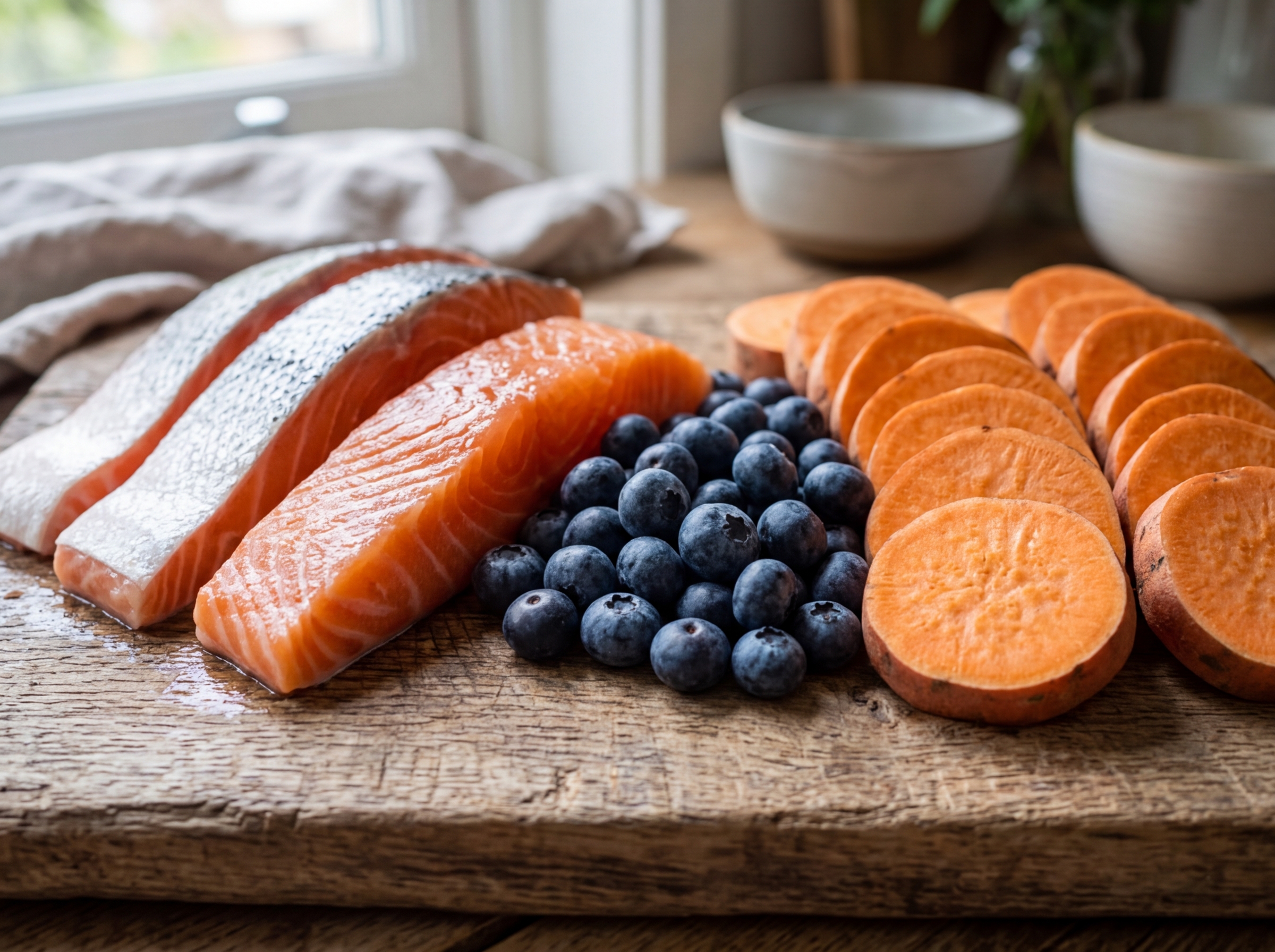
Beyond the basic “big three” nutrients, there are specific microscopic heroes in the best puppy food for beagles:
- DHA (Docosahexaenoic Acid): This is a long-chain Omega-3 fatty acid found in mother’s milk and fish oil. It is critical for brain and vision development. Since Beagles are intelligent scent hounds that need to process complex sensory information, DHA is vital for their cognitive growth.
- Calcium-Phosphorus Balance: It’s not just about having these minerals; it’s about the ratio. An imbalance can lead to skeletal issues or joint problems like hip dysplasia, which Beagles can be prone to.
- Omega Fatty Acids: Omega-3 and Omega-6 support a healthy skin barrier and a shiny coat—perfect for showing off those classic tri-color markings.
For a deeper dive into how these nutrients fuel your pup, check out our guide on the best diet for beagle puppies growth.
How to Choose the Best Puppy Food for Beagles
Walking down the pet food aisle can feel like navigating a maze. To find the best puppy food for beagles, we need to look past the flashy marketing and head straight for the nutritional adequacy statement and the ingredient list.
First, look for the AAFCO (Association of American Feed Control Officials) seal. This confirms the food is “complete and balanced” for the growth stage. For a Beagle, you generally want a “Puppy” formula or a “Small to Medium Breed Puppy” recipe. Avoid “Large Breed” formulas, as these are designed to slow down growth in giant dogs, which can leave a medium-sized Beagle under-fueled.
Protein should always be the first ingredient, and it should have a specific name. “Chicken,” “Lamb,” or “Salmon” are great; “Meat meal” or “Animal derivatives” are red flags. We also recommend looking for human-grade ingredients when possible, as these meet higher safety and quality standards than standard feed-grade options.
Because Beagles are so food-motivated, they are excellent candidates for positive reinforcement. You can even use a portion of their daily kibble for training sessions. If you’re looking for ways to use food as a tool, our effective obedience training tips for beagle puppies can help you turn mealtime into a learning opportunity.
Key Ingredients in the Best Puppy Food for Beagles
The “good stuff” in a bag of puppy food does more than just stop the tummy from rumbling. Here is what we like to see:
- Real Meat: Chicken, turkey, or fish should lead the pack to ensure high bioavailability of proteins.
- Fish Oil: A primary source of DHA and EPA for that “smart puppy” brain boost.
- Probiotics and Digestive Enzymes: Beagles can sometimes have sensitive stomachs or “garbage gut” (eating things they shouldn’t). Probiotics help maintain a healthy microbiome.
- Glucosamine: Even in puppyhood, supporting joint health is a proactive move for a breed that loves to run and jump.
- Complex Carbohydrates: Ingredients like brown rice, oatmeal, or sweet potatoes provide steady energy without the “sugar crash” associated with cheap fillers.
- Antioxidants: Blueberries, spinach, or added vitamins support a developing immune system.
If you want to supplement their diet with something extra special during training, take a look at these healthy and nutritious treats for training your beagle.
Ingredients to Avoid in the Best Puppy Food for Beagles
Just as important as what goes in is what stays out. Beagles are prone to obesity and allergies, so avoiding “empty” or irritating ingredients is key:
- Artificial Preservatives: Avoid BHA, BHT, and ethoxyquin. Opt for foods preserved with natural tocopherols (Vitamin E).
- Corn Syrup and Added Sugars: These add unnecessary calories and can contribute to hyperactivity and weight gain.
- Vague Labels: If the label says “poultry fat” instead of “chicken fat,” or “meat by-products” instead of “beef heart,” put it back. You want to know exactly what your pup is eating.
- Excessive Fillers: Corn, wheat, and soy aren’t “poison,” but in high amounts, they often just act as cheap bulk that provides little nutritional value.
Managing what goes into the bowl is also the first step in managing behavior. For tips on keeping the peace during dinner, see our advice on feeding time etiquette and dealing with food aggression in beagles.
Feeding Schedules and Portion Management
How much should you feed a Beagle puppy? It’s the million-dollar question. Because Beagles have a “bottomless pit” mentality, we cannot rely on “free feeding” (leaving a bowl out all day). If we did, most Beagles would eat until they resembled a small, furry beach ball.
Beagle puppies require significantly more calories per pound than adults because they are building bone and tissue. A general rule is that they need up to 40 calories per pound of body weight. However, this amount changes rapidly as they grow.
| Puppy Age | Daily Feeding Frequency | Estimated Total Daily Cups (Approx.) |
|---|---|---|
| 2–3 Months | 4 Meals | 0.5 – 1.0 cup |
| 4–5 Months | 3 Meals | 1.0 – 1.5 cups |
| 6–10 Months | 2–3 Meals | 1.25 – 1.75 cups |
| 10–12 Months | 2 Meals | 1.0 – 1.5 cups (Transitioning) |
Note: Always check the specific caloric density on your food bag, as “one cup” of a premium air-dried food might have double the calories of a standard kibble.
Maintaining a structured schedule is vital. Not only does it help prevent obesity, but it also makes housebreaking much easier. If you know exactly when food goes in, you’ll know exactly when it needs to come out! For help with that side of the equation, read our in-depth guide to potty training your beagle puppy.
To ensure you are supporting their development without overdoing it, follow our tips on the best diet for beagle puppy’s rapid growth.
Transitioning to Adult Food and Preventing Obesity
The transition from puppy food to adult food usually happens between 10 and 12 months of age. This is a critical junction. Puppy food is very calorie-dense; if you keep an adult Beagle on puppy food for too long, they will pack on the pounds quickly.
We recommend a 7-10 day transition period. Start by mixing 25% adult food with 75% puppy food, gradually shifting the ratio until the bowl is 100% adult formula. This prevents the “tummy upsets” that Beagles are famous for when their diet changes suddenly.

The Rib Test
How do you know if your Beagle is at a healthy weight? You should be able to feel their ribs easily without pressing hard, and when looking from above, they should have a visible waistline. If they look like a solid cylinder, it’s time to talk to your vet about portion control.
Preventing obesity in Beagles requires a two-pronged approach:
- Satiety Support: Choose foods with higher fiber (like the 6% mentioned earlier) to help them feel full.
- Exercise Integration: A tired Beagle is a Beagle that isn’t begging at the pantry door. Daily walks and scent games are essential.
For a full overview of long-term Beagle health, check out our complete guide to caring for beagles.
Frequently Asked Questions about Beagle Puppy Diets
When should I switch my Beagle to adult food?
Most Beagles are ready to switch between 10 and 12 months. If your Beagle is particularly active or still seems to be filling out, your vet might suggest waiting until 14 months. Always transition slowly over a week to avoid digestive issues.
How many calories does a Beagle puppy need daily?
It varies by weight and activity level, but generally, a growing pup needs about 40 calories per pound. For a 10lb puppy, that’s roughly 400 calories. Always refer to the specific kilocalorie (kcal) count on your dog food label for accuracy.
Can Beagle puppies eat a grain-free diet?
Yes, but it isn’t always necessary. Grain-free diets are great for puppies with confirmed grain sensitivities. However, many Beagles do perfectly well—and even benefit from—whole grains like brown rice and oatmeal, which provide fiber and steady energy. Consult your vet before going grain-free to ensure the substitute (like peas or lentils) is balanced correctly.
Conclusion
Feeding your Beagle puppy doesn’t have to be a “ruff” experience. By focusing on high-quality animal proteins, maintaining a strict feeding schedule, and choosing the best puppy food for beagles tailored to their medium-breed needs, you are setting them up for a lifetime of health and happiness.
Every puppy is an individual. While guidelines are helpful, your best resource is a close relationship with your veterinarian and a keen eye on your dog’s energy levels and body condition. With the right fuel, your Beagle will have the stamina to follow every scent and the health to enjoy every cuddle for many years to come.

For more expert advice on raising a healthy hound, visit our main resource on the best diet for beagle puppies growth. At FinanceFlowX, we believe that investing in your pet’s nutrition today pays the best dividends in health tomorrow!
